Why a Local Pizza Restaurant Is Perfect for Casual Dining

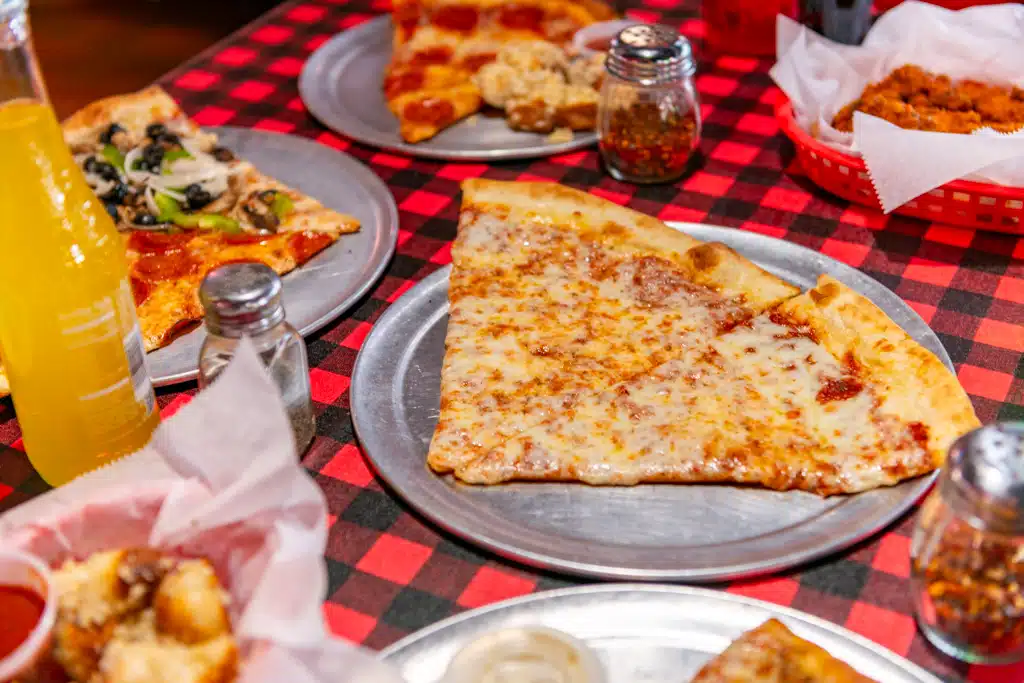

There is a reason people suggest pizza when plans are loose, appetites vary, and nobody wants the meal to feel overly formal. A good local pizza restaurant sits in a sweet spot that many other places miss. It is relaxed without feeling careless, affordable without seeming cheap, familiar without being boring. That combination matters more than it gets credit for.
Casual dining is not just about wearing jeans or skipping reservations. It is about the whole rhythm of the meal. You want a place where the mood is easy, the menu is readable, and the service understands that not every table is celebrating a milestone or conducting a business meeting. Sometimes people simply want to eat well, talk freely, and leave satisfied. Pizza fits that moment almost perfectly, and a local restaurant often does it better than a national chain or a trend-driven concept.
After spending years eating in neighborhood spots, talking with owners, and watching what makes dining rooms actually work on a busy weeknight, one pattern keeps repeating. A local pizza restaurant succeeds because it removes friction. It makes group dining simpler, family meals calmer, date nights less pressured, and spontaneous meetups far more likely to happen. That sounds modest, but in practice it is exactly what most diners are looking for.
Casual dining works best when the food invites everyone in
One challenge with choosing a restaurant for a mixed group is that the menu can become a negotiation before anyone even sits down. Someone wants something hearty, someone else wants lighter fare, one person is vegetarian, another is feeding two children who reject anything unfamiliar, and somebody in the group is watching the budget. Many cuisines can handle one or two of those concerns. Pizza handles all of them at once.
At a well-run pizza restaurant, flexibility is built into the meal. One table can order half a pie with mushrooms and onions, half with pepperoni and sausage, plus a salad and an appetizer to share. Another can split a simple margherita and add a side of wings. A family can get one cheese pizza for the kids and something more adventurous for the adults. Nobody has to commit to one expensive entree that turns out to be the wrong choice.
That versatility matters because casual dining is often social first and culinary second. People are there to catch up after work, feed the family before an evening activity, or spend time together without making a production out of it. Pizza supports that kind of gathering because it is easy to share and easy to customize. It does not demand a lot of explanation. Even when a restaurant offers craft toppings, https://maps.app.goo.gl/SoMmTRckHNs73H2Y7 house-made dough, or regional styles, the basic format remains approachable.
There is also less risk involved. If you are trying a local pizza restaurant for the first time, you can usually order a familiar baseline, perhaps a plain cheese or a classic pepperoni, and quickly tell whether the kitchen knows what it is doing. Is the crust balanced, not too dense and not cracker-thin unless that style calls for it? Does the sauce have brightness instead of sugary heaviness? Is the cheese applied with restraint or dumped on to cover weak ingredients? Pizza reveals quality fast, which makes diners more comfortable trying a neighborhood place.
The atmosphere leaves room for real conversation
Some restaurants look ideal on paper but fail the basic test of casual dining: you cannot comfortably talk in them. The music is too loud, the tables are too close, or the room feels designed for turnover rather than staying power. A local pizza restaurant often lands in a more human middle ground.
The best ones are lively but not chaotic. You hear the kitchen, a few bursts of laughter, glasses moving, maybe the sound of a peel sliding a pie into the oven. Those details create energy, but they do not overwhelm the table. There is a difference between a room with personality and a room that competes with your conversation. Neighborhood pizza places tend to understand that difference because repeat business depends on comfort, not spectacle.
That atmosphere also softens social pressure. If you are on a first date, pizza is forgiving. Nobody has to decipher a dense wine list or pretend to know obscure ingredients. If you are dining with extended family, there is enough informality to keep things from becoming stiff. If coworkers meet after a long day, the setting feels social without crossing into late-night bar territory.
I have seen this play out in countless dining rooms. At one local spot in a mid-sized town, the room filled up every Thursday between 6 and 8 p.m. There were youth sports families still in team jackets, retirees sharing a medium pizza and salad, a couple of teachers grading papers between slices, and young parents dividing childcare duties while the toddler worked through a breadstick. It was busy, but not tense. That is the real benchmark for casual dining. People can arrive as they are.
The check is easier to live with
Affordability is not the same thing as low quality. A local pizza restaurant often proves that point better than almost any other concept. When people talk about casual dining, they usually mean more than dress code and décor. They also mean a meal that feels financially reasonable.
At many full-service restaurants, individual entrees push the bill up quickly. Add drinks, appetizers, and dessert, and a simple night out becomes something you need to justify. Pizza changes the equation. A large pie can feed several people, and the price per person usually stays manageable. Even when a restaurant uses premium ingredients and charges accordingly, the meal still tends to offer better shareability and cost control than a table of separate entrees.
This matters for regular dining habits. A place becomes part of your routine when you can visit without treating it like a special event. Families especially notice the difference. Two adults and two children can often eat at a local pizza restaurant for far less than they would spend at a casual steakhouse or a burger place with add-ons and extras. The portions are predictable, leftovers travel well, and there is less waste.
From an operator’s perspective, pizza also helps keep service efficient, which can protect value. The kitchen can produce food steadily during rush periods, and guests are less likely to wait on individually timed plates. When the system is built well, that efficiency benefits the diner. You get a faster, smoother meal without the rushed feeling that often comes from speed-focused chains.
Sharing food changes the tone of the table
There is something important about food that lands in the center of the table rather than in isolated plates. Shared dishes invite interaction. People reach, offer, compare slices, and talk about what they want to try next. The meal becomes naturally communal.
That is one of the strongest arguments for a pizza restaurant as a casual dining destination. You do not have to manufacture togetherness. The structure of the meal does some of the work for you. Instead of each person disappearing into a separate entree, everyone participates in choosing and sharing. That small difference often leads to a better dining experience.
For groups, this is practical as well as social. A table can start with a garlic knot basket, add two pizzas with different topping profiles, and adjust from there. If someone arrives late, there is still food to fold them into the meal. If one person is especially hungry, it does not derail the order. If another just wants a slice and a salad, that works too.
Shared food also tends to slow the meal in a good way. Not slow as in delayed service, but slow as in the table settles. People nibble, talk, pause, and go back for another slice. Casual dining is usually better when the meal has that relaxed elasticity instead of a strict beginning, middle, and end.
Local restaurants know their communities better
There is a practical difference between a place that serves a neighborhood and a place that merely occupies real estate in it. A local pizza restaurant often reflects the habits, timing, and preferences of the people around it. That local awareness shapes the dining experience in ways diners notice, even if they do not articulate it.
A neighborhood owner knows that Friday at 5:30 p.m. Means takeout chaos mixed with dine-in families. They know the high school game schedule, the church crowd after Sunday service, and which nights nearby offices order large carryout packages. They know whether the area wants a crisp New York style, a pan pie with more heft, or a menu broad enough to include pasta and salads for non-pizza eaters.
That kind of familiarity usually leads to smarter hospitality. Staff may remember repeat customers, but even when they do not know names, they understand patterns. They know when to move quickly, when to let a table linger, and when to suggest an extra pie because a party of six with teenagers almost always underorders. Good casual dining depends on that judgment.
There is also a level of accountability in local ownership that can sharpen quality. When the owner might be in the kitchen, at the register, or walking the floor, standards become visible. If the crust is off, someone hears about it. If service slips, there is less distance between the complaint and the person who can fix it. That direct feedback loop is one reason many neighborhood pizza places earn loyal followings.
The menu usually has more range than people assume
People hear “pizza restaurant” and picture a narrow menu, but most successful local places know that casual dining benefits from choice. They may lead with pizza, yet many also offer salads, sandwiches, baked pastas, soups, wings, desserts, and a few beer or wine options. That range helps groups commit to a restaurant without needing total consensus.
The smart operators avoid trying to be everything. They keep the supporting menu focused enough to execute well. A Caesar salad with crisp romaine, good dressing, and fresh grated cheese. Wings that actually come out hot and well-seasoned. A baked ziti that feels like a real kitchen dish instead of a freezer emergency. These items matter because they support the pizza without distracting from it.
This broader menu is especially useful in mixed company. One guest may want pizza, another may prefer a sub, and a third may want something lighter. In a casual setting, those preferences should not derail the plan. A strong local pizza restaurant solves the problem quietly by giving everyone a workable option.
There is also room for seasonal judgment. In colder months, richer pies and baked dishes tend to move. In summer, lighter toppings, big salads, and patio service can define the room. Local places are often more nimble here than chains because they do not need corporate approval to run a peach and prosciutto special when local produce is at its peak or a white pie with roasted garlic when the weather turns.
It handles almost every dining occasion short of the truly formal
A lot of restaurants are excellent, but narrowly excellent. They shine in one setting and feel awkward in another. A local pizza restaurant has unusual range. It works for families, low-key birthdays, sports team dinners, casual dates, lunch meetings, college reunions, and weeknight meals when nobody wants to cook.
That flexibility is rare. A steakhouse may be too expensive for a quick family outing. A café may be too light for hungry teenagers. A fine dining room may intimidate casual guests. Fast food may solve speed but not comfort. Pizza restaurants often bridge those gaps because they deliver enough quality to feel satisfying while keeping the mood easy.
A few occasions where they consistently work well:
- Family dinners when schedules are tight and appetites differ
- Informal celebrations where people want to relax, not perform
- First dates that benefit from a low-pressure setting
- Group meals where splitting the check needs to stay simple
- After-game or after-event gatherings with varied ages at one table
Notice what these situations share. They all involve some mix of unpredictability, different expectations, or logistical friction. Casual dining succeeds when a restaurant absorbs that friction instead of passing it to the guest. Pizza does that naturally.
Good pizza rewards quality without becoming pretentious
One of the nicest things about a local pizza restaurant is that it can care deeply about craft without making diners feel tested. Skilled dough fermentation, balanced sauce, smart topping ratios, oven management, and ingredient sourcing all matter. But the customer does not need a lecture to appreciate the result.
That balance is important. Some dining experiences become so concept-driven that guests feel they need background knowledge before ordering. Pizza rarely suffers from that problem. A local place can produce excellent food, maybe with house-made sausage or imported tomatoes or a naturally leavened crust, and still remain welcoming to the person who simply wants two slices and a drink.
From a professional standpoint, that is harder to pull off than it looks. Simplicity exposes flaws. If a pizza restaurant is going to build its reputation on a few staple pies, every element has to hold up. The crust cannot be an afterthought. The cheese blend has to melt properly and taste of something. The bake needs consistency. The restaurant does not have much room to hide.
When a local shop gets those details right, the food feels generous rather than showy. That is a defining trait of good casual dining. Diners leave feeling cared for, not managed.
Children are welcome, adults still enjoy themselves
Many places claim to be family-friendly, but not all of them understand what that should look like. A local pizza restaurant often does. The food is generally accessible to children, the pacing is forgiving, and the room can absorb a normal amount of kid energy without every parent feeling apologetic.
At the same time, adults do not feel trapped in a child-centered environment. There may be a decent draft beer, a respectable glass of red wine, or a specialty pie with stronger flavors. Parents can eat real food while their children eat something familiar. That balance is more valuable than it sounds.
I have watched plenty of parents visibly relax when they enter a pizza restaurant that knows how to serve families. The host does not act surprised by a stroller. The server brings extra napkins without being asked. The kitchen can get a plain pie out quickly if younger diners are melting down. Those small operational habits shape whether a place becomes a family regular or a one-time stop.
This matters for the wider dining room too. Restaurants that welcome families often become neighborhood anchors. Children grow up there, sports teams gather there, and grandparents feel comfortable joining. Over time, the place becomes woven into local routine. That kind of social function is part of what makes casual dining feel authentic.
Service tends to feel more relaxed, but it still matters
Casual should not mean careless. The best local pizza restaurant understands that guests want warmth and efficiency, even if they do not need white-tablecloth formality. The ideal service style is attentive enough to keep the meal moving and relaxed enough not to crowd the table.
In practice, that means greetings that happen promptly, clear menu guidance when needed, and good timing between appetizers and pizzas. It means knowing when to box leftovers without asking three times, and when to let a table enjoy another ten minutes of conversation before bringing the check. These are ordinary skills, but they define the experience.
A local place often has an advantage here because service can develop around real customer habits instead of rigid scripts. Staff learn the room. They know that some diners want to be in and out in 40 minutes before evening practice, while others are settling in for a long catch-up. Reading that difference is a mark of professionalism.
For diners, this creates a feeling that is hard to fake. You are not being processed. You are being hosted.
What separates a great local pizza restaurant from an average one
Not every pizza restaurant delivers the same casual dining experience. Some coast on convenience, while others build real loyalty through consistency and judgment. If you are choosing a local spot, a few details usually tell the story fast.
- the room feels clean and lived-in, not polished for show or neglected from overuse
- the menu is focused enough to inspire confidence
- the crust and sauce taste intentional, even on a basic cheese pie
- staff handle busy periods with calm rather than visible panic
- regulars are present, which is often the clearest sign that the place earns repeat visits
Those markers matter because casual dining depends on reliability. The best neighborhood pizza places become default choices not because they are flashy, but because they repeatedly deliver a meal people can trust.
Why people keep coming back
A meal at a local pizza restaurant rarely tries to be life-changing, and that is part of its strength. People return because the experience fits real life. The restaurant is comfortable enough for ordinary nights, good enough for small celebrations, and flexible enough for the messy middle ground where most dining decisions happen.
There is also an emotional component. Local places gather memory quietly. A team dinner after a win. A Friday night pickup on the drive home. A first date that turned into ten more. A booth where a family has sat for years. Casual dining is not memorable only when it is dramatic. More often, it matters because it is repeatable.
That is where the local pizza restaurant excels. It offers food that satisfies, a setting that welcomes, and a bill that does not sting. It allows people to show up hungry, distracted, underdressed, celebratory, or tired, and still have a good evening. Few restaurant formats handle all of that as naturally.
For anyone deciding where casual dining works best, the answer is often right around the corner. A solid neighborhood pizza restaurant does not just feed people. It makes getting together easier, and that is a service worth valuing.
RUFFRANO'S HELL'S KITCHEN PIZZA Security
385 Main St, Colorado Springs, CO 80911
(719) 390-4355
FAQ About pizza restaurant
Is there a Hell's Kitchen pizza restaurant in Security-Widefield?
Yes. Ruffrano's Hell's Kitchen Pizza has a Security-Widefield location at 385 Main St.
Where can I find pizza delivery in Security-Widefield?
Ruffrano's Security location offers online ordering. Enter your address at checkout to check delivery availability and fees.
Where can I find gluten-free pizza in Security-Widefield?
Ruffrano's menu lists a 12-inch gluten-free option. Call the Security location to confirm availability and ask about shared equipment if cross-contact is a concern.